 delishing
How to Roast Chestnuts: 4 Proven Methods

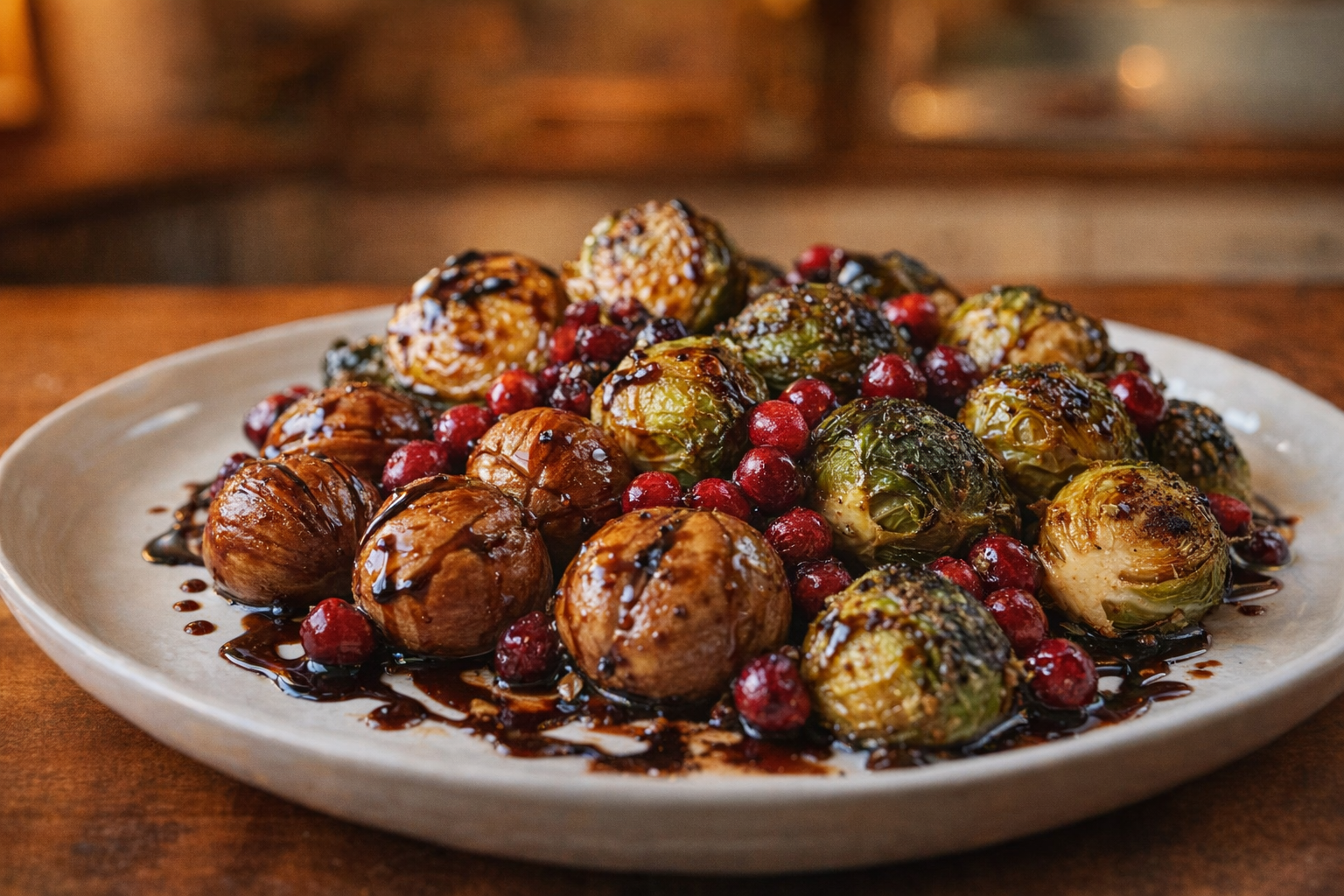
Roasting chestnuts unlocks their hidden sweetness, transforming them from a somewhat bitter raw nut into a tender and comforting delicacy. The roasting process mellows their flavor, creating a savory, slightly sweet taste and a texture reminiscent of a well-cooked sweet potato. The aroma alone is enough to evoke the warmth of the holiday season.
Mastering the art of roasting chestnuts at home is surprisingly straightforward, granting you the freedom to enjoy this seasonal treat whenever the craving strikes. Whether you're upholding a cherished family tradition or venturing into the world of roasted chestnuts for the first time, this guide provides four dependable methods for achieving chestnut perfection, regardless of your kitchen setup.
Understanding Chestnuts
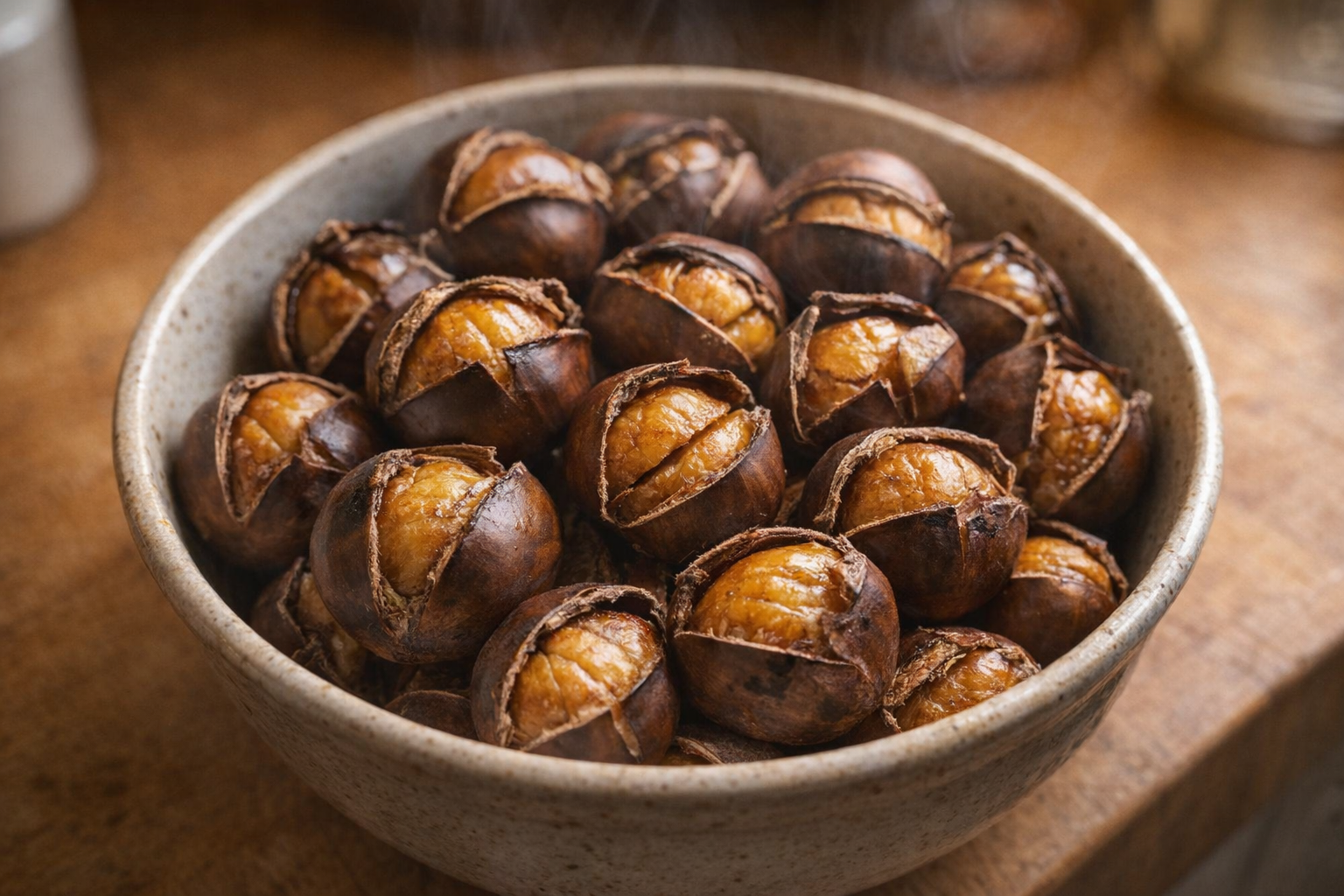
Not all chestnuts are created equal. When sourcing your chestnuts, look for the Castanea dentata (American Chestnut, though rarer now due to blight) or Castanea sativa (European Chestnut). Avoid horse chestnuts, as these are not edible and can be toxic. Fresh chestnuts should have a smooth, shiny, dark brown shell and feel heavy for their size. Avoid any that have cracks, soft spots, or mold. The larger the chestnut, generally the better the yield.
Why Cook Chestnuts This Way?
- Versatility: Roasted chestnuts can be enjoyed as a snack, used in stuffings, soups, or desserts.
- Flavor: Roasting enhances the natural sweetness and nutty flavor of chestnuts.
- Convenience: Roasting at home allows you to control the level of doneness and enjoy them fresh.
Preparation (Mise en Place)
- Rinsing: Thoroughly rinse the chestnuts under cold water to remove any dirt or debris.
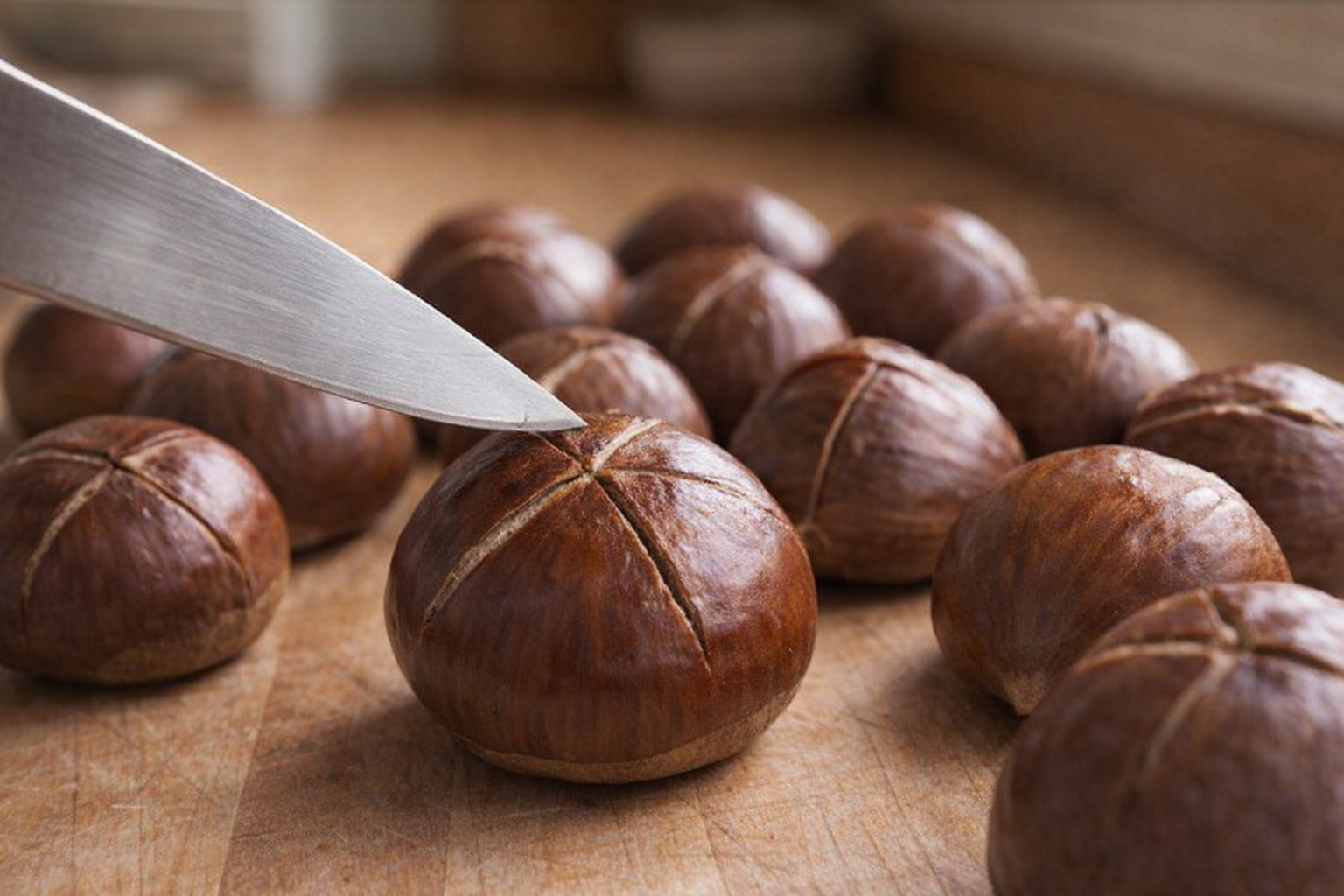
- Scoring: This is the most crucial step. Place each chestnut flat-side down on a cutting board. Using a sharp paring knife or chestnut knife, carefully cut an "X" shape on the rounded side of the chestnut. This allows steam to escape during cooking, preventing explosions and making peeling easier. Ensure the cut penetrates the shell but doesn't go too deep into the nut itself.
- Soaking (Optional): Soaking the scored chestnuts in cold water for 30-60 minutes can help to further soften the shells and create steam during cooking.
Essential Tools
- Sharp Knife: A paring knife or specialized chestnut knife is essential for scoring the chestnuts safely and efficiently. A dull knife increases the risk of slipping.
- Baking Sheet (Oven Method): Provides a flat surface for even roasting in the oven.
- Air Fryer (Air Fryer Method): For quick and crispy roasting.
- Heavy-Bottomed Pan with Lid (Stovetop Method): Distributes heat evenly and traps steam.
- Microwave-Safe Plate (Microwave Method): For quick cooking.
The Cooking Methods
Method 1: Oven Roasting
The oven method is a reliable way to achieve evenly roasted chestnuts with a tender texture and enhanced sweetness.
Ingredients:
- 1 pound (450g) fresh chestnuts
- Preheat Oven: Preheat your oven to 425°F (220°C).
- Prepare Chestnuts: Rinse and score the chestnuts as described in the Preparation section. Soaking is optional but recommended.
- Roast: Spread the scored chestnuts in a single layer on a baking sheet.
- Bake: Roast for 25-30 minutes, flipping the chestnuts halfway through, until the shells begin to curl back and the nuts are tender when pierced with a fork. The kitchen will fill with a sweet, nutty aroma.
- Steam (Optional): Transfer the roasted chestnuts to a clean kitchen towel. Gather the edges of the towel to create a bundle and let them steam for 10-15 minutes. This makes peeling easier.
- Peel and Serve: While still warm, peel the shells and inner skins from the chestnuts, starting at the "X" mark. Serve immediately.
Method 2: Air Fryer Roasting
The air fryer provides a quick and convenient method for roasting chestnuts with a slightly crisper exterior.
Ingredients:
- 1 pound (450g) fresh chestnuts
- 1/2 cup water
- Preheat Air Fryer: Preheat your air fryer to 375°F (190°C).
- Prepare Chestnuts: Rinse and score the chestnuts. Soaking is optional.
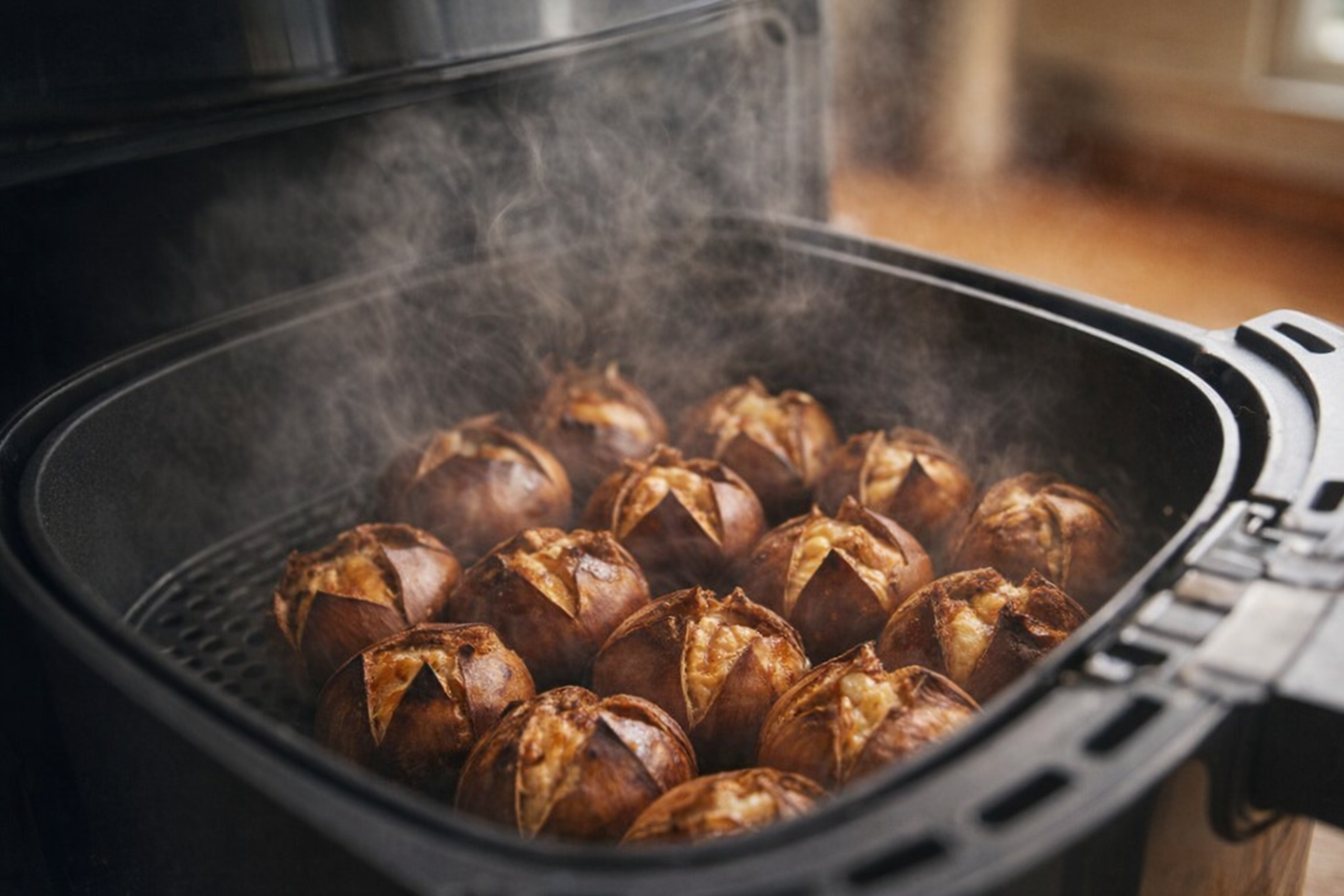
- Air Fry: Place the chestnuts in the air fryer basket in a single layer. Pour the water into the bottom of the air fryer (if applicable, otherwise add a tablespoon of water directly to the basket with the chestnuts).
- Roast: Air fry for 15-20 minutes, shaking the basket halfway through, until the shells begin to curl back and the nuts are tender. Listen for the cracking and popping sounds as they roast.
- Peel and Serve: While still warm, peel the shells and inner skins from the chestnuts. Serve immediately.
Method 3: Stovetop Roasting
The stovetop method offers a rustic approach to roasting chestnuts, providing a smoky flavor and allowing for close monitoring.
Ingredients:
- 1 pound (450g) fresh chestnuts
- 1/4 cup water
- 1 tablespoon butter
- Pinch of salt
- Prepare Chestnuts: Rinse and score the chestnuts. Soaking is optional.
- Heat Pan: Heat a heavy-bottomed pan over medium heat. Add the butter and allow it to melt.
- Roast: Add the chestnuts to the pan along with the water and salt. Cover the pan with a tight-fitting lid.
- Steam and Roast: Cook for 15-20 minutes, shaking the pan frequently to prevent burning, until the shells begin to char and the nuts are tender. The water will evaporate, creating steam and then dry heat for roasting.
- Peel and Serve: While still warm, peel the shells and inner skins from the chestnuts. Serve immediately.
Method 4: Microwave Roasting
The microwave provides the fastest method for roasting chestnuts, though the texture may be slightly softer and less evenly roasted compared to other methods.
Ingredients:
- 1 pound (450g) fresh chestnuts
- Prepare Chestnuts: Rinse and score the chestnuts. Soaking is optional.
- Microwave: Arrange the chestnuts in a single layer on a microwave-safe plate.
- Cook: Microwave on high for 2-4 minutes, checking every minute, until the shells begin to curl back and the nuts are slightly softened. Be careful as the chestnuts will be very hot.
- Peel and Serve: While still warm (but cool enough to handle), peel the shells and inner skins from the chestnuts. Serve immediately.
Cooking Time & Doneness Guide
- Oven: 25-30 minutes at 425°F (220°C)
- Air Fryer: 15-20 minutes at 375°F (190°C)
- Stovetop: 15-20 minutes over medium heat
- Microwave: 2-4 minutes on high
Visual Cues
- The shells will begin to curl back at the "X" mark.
- The chestnuts will appear slightly softened.
- When pierced with a fork, the nut should be tender and not resistant.
Tips for Perfection
- Don't skip the scoring: This is essential to prevent explosions and make peeling easier.
- Peel while warm: Chestnuts are much easier to peel when they are still warm.
- Don't overcrowd the pan or air fryer basket: Overcrowding will result in uneven roasting. Work in batches if necessary.
- Discard any spoiled chestnuts: Look for signs of mold, discoloration, or an off odor.
Storage & Reheating
Store leftover roasted chestnuts in an airtight container in the refrigerator for up to 3 days.
Reheating:
- Oven: Reheat in a preheated oven at 350°F (175°C) for 5-10 minutes.
- Air Fryer: Reheat in the air fryer at 300°F (150°C) for 3-5 minutes.
- Stovetop: Reheat in a pan over medium heat with a little butter or oil for a few minutes.
Serving Suggestions
- As a Snack: Enjoy them plain as a warm and satisfying snack.
- In Stuffing: Add chopped roasted chestnuts to your favorite stuffing recipe for a nutty flavor and texture.
- In Soups: Incorporate chopped roasted chestnuts into creamy soups like butternut squash or mushroom for added richness.
- In Desserts: Use roasted chestnuts in desserts such as chestnut puree, marron glacé, or chestnut cream-filled pastries.
💡 Pro Tips
- Always score a deep X on the flat side of each shell with a sharp knife to prevent the nuts from bursting and to make peeling easier.
- Soak your chestnuts in hot water for 20 minutes before roasting to add moisture, which helps the nut steam inside the shell for a tender texture.
- Wrap the roasted chestnuts in a clean kitchen towel for five minutes immediately after cooking to trap steam and loosen the stubborn inner skins.
- Peel the chestnuts while they are still warm to the touch, as the papery skin becomes much harder to remove once they cool completely.
- Look for heavy, firm chestnuts with smooth, glossy shells and avoid any that feel hollow or have tiny holes.
Frequently Asked Questions
Scoring the chestnuts with an "X" shape is crucial to prevent them from exploding during roasting. The scoring allows steam to escape, which builds up inside the chestnut as it cooks, and also makes peeling the shells much easier after roasting.
A sharp paring knife works perfectly well for scoring chestnuts. Just be sure to place the chestnut flat-side down on a cutting board and use a controlled, deliberate motion to create the "X" cut. Safety is key, so take your time.
The chestnuts are done when the scored "X" marks begin to open up and the flesh inside appears slightly golden brown. You can also test one by squeezing it gently; it should feel slightly soft, not rock hard. Remember that cook times can vary slightly depending on your oven or cooking method.
Roasted chestnuts are best enjoyed fresh, but you can store them in an airtight container in the refrigerator for up to 3 days. To reheat, you can microwave them briefly or warm them in a pan on the stovetop until heated through.